Showing posts with label healthy pregnancy. Show all posts

Sunday, July 18, 2010

Pregnancy Complications

Pregnancy Complications

Having a general view of your pregnancy is a better way to avoid some of the complications that can have a catastrophic end for you and your baby's health.

The vast majority of births take place so perfect and without any incident.

However, understanding the main complications of pregnancy can be reassuring and most importantly, helps to understand all the problems calmly to resolve as quickly as possible.

Wednesday, April 28, 2010

Travelling During Pregnancy


You are pregnant, not sick! You should enjoy your vacation. But without forgetting the words master of your future programme: caution and restraint

Traveling by car

Note that Traveling by car is a high-risk pregnant woman.

Traveling by car is very tiring, and the position of the legs is still not recommended for pregnant women.

Adjust your belt to your stomach. Indeed, it will pass below your belly so as not to cause shock on your abdomen.

If you need to make long journeys, ask the essential advice from your doctor. You must stop every 100 km to relax your legs, walk and relax a little.

From the second quarter, do not drive. You can sit at the front, the passenger seat, allowing you to back seat and thus have the legs extended. However, this place is dangerous, it is best to install on the rear seats and wedge your back with a pillow.

Traveling by train

The train is a means of transport more reliable and less tiring than the car. Indeed, it is a means of rapid transit, you must focus on direct trains.

In addition, you can avoid tingling in the legs moving inside the train. Therefore prefer places later corridor, which will help you get up whenever you like.

Traveling by plane

The aircraft is also a means of transport more reliable than the car for pregnant women. If your pregnancy is proceeding normally, you should be able to fly without problems until the seventh month.

Some tips:

Prefer places later corridor, it will be easier to get up if you go to the toilet.

Place your belt under the belly. When the aircraft had completed its take-off phase, remember to tilt your seat. You avoid in this way the compressing of your stomach.

Note that the inactivity of the legs in the air can result in risks of phlebitis. Talk to your doctor, he probably advise you to wear tights of restraint to avoid this. Drink plenty of water.

If you have a risk of premature delivery, if you are smoking, if you have cardiovascular problems, always consult your doctor before getting on an airplane.

Note this:

In early pregnancy, you should spend your first prenatal examination before boarding the plane.

Be aware that some airlines ask for a letter from your doctor indicating the stage of your pregnancy.

Some airlines refuse to carry pregnant women from the eighth month.

Check the terms of your travel insurance. If you decide to embark on long-haul, make sure it accepts the terms of repatriation.

The destination

If you go to distant destinations, note the following:

You must remove from the list of destination countries where malaria because the pregnant woman is only allowed to take certain drugs such as quinine or chloroquine.

Avoid high-altitude destinations. Indeed, the fetus could run out of oxygen.

Check that the contribution of your diet is quite rich in calcium. In some regions, it is hard to find pasteurized milk.

Beware of the sun! It could appear on your face the famous mask of pregnancy.

If you want to go on holiday, prefer the train or plane. If you are obliged to take the car, avoid driving yourself.

Medicine Consumption During Your Pregnancy


You will need during your pregnancy to be more cautious than ever about the consumption of drugs. Indeed, certain substances in drugs can cross the placental barrier and seriously impair the health of your baby.

Auto-Treatment

You must renounce to the auto-treatment habitude, even in the earliest weeks of pregnancy. Indeed the main organs of baby formed during the first 6 weeks of pregnancy, so taking uncontrolled drugs could have irreversible consequences on their formation. Be extremely careful, even for relatively minor things such as colds, a headache or other, always ask advice from your doctor, he's alone is able to prescribe the drug recommended in your state. No matter that drug considered inoffensive can be very dangerous during pregnancy.

If you suffer from headaches, try therefore you lengthen and put a wet washcloth on your forehead. It is often very effective!

How to treat a chronic ill during pregnancy?

If you suffer from chronic diseases such as diabetes and you must take regular medication, you should consult a doctor before your pregnancy. It will point to specific treatment.

During pregnancy, you must undergo treatment under the supervision of your doctor rigorously, which adapts to your medication schedule.

Attention to the drug just before delivery.

When you take a medication during pregnancy, the substance that contains pass through the placenta, then the placental barrier and then be destroyed by your metabolic system. But if you take a drug imminent at the time of delivery, the substance will not have time to pass through the placental barrier. The body of the newborn will therefore contain a product that will be extremely difficult to evacuate. Thus, the baby may have serious respiratory difficulties and even to find child care.

If the evacuation of each drug substance take few hours in the mother, it can take weeks in the newborn, it is for this reason that doctors, faced with imminent delivery, give the mother a drug which we know the antidote that will be injected to the baby at birth.

Homeopathic medicines

They may be the solution to the ills of pregnant women. However, a homeopathic treatment should also be prescribed by your doctor, even then, caution is in order.

The advantage of a homeopathic medicine is that they have no side effects. Moreover, it does not create addiction, unlike some conventional medicines, it may be of great help to heal small diseases during your pregnancy such as nausea, vomiting. It may also be very effective in relieving small depressed and anxieties that often accompany pregnancy.

Always consult your doctor before taking any medication. Indeed, a drug that had no bearing at any stage of pregnancy can be very dangerous to another stage of pregnancy.

Monday, April 19, 2010

Some Simple Steps for a Healthy Pregnancy


If you are planning to have a baby, the most important thing is that you care very much, so you and baby are healthy in the future. Girls who receive adequate care and take the right decisions are very likely to have healthy babies.

Prenatal Care
If you discover that you are pregnant, consult a doctor as soon as possible to begin receiving prenatal care (care during the pregnancy). The sooner you begin receiving medical care, the greater the chance that you and your baby are in good health in the future.

If you can not afford to consult a doctor or pay for the consultation in a clinic for prenatal care, social service organizations exist that can help. Ask your parents, school counselor or another trusted adult to help you find resources in your community.

During the first consultation, the doctor will do a lot of questions, such as the date of your last period. This way, you can calculate how long have you been pregnant and when you expect your baby.

Doctors estimate that the duration of the pregnancy in weeks. The due date is estimated, but the majority of babies born between 38 and 42 weeks after the first day of the last menstruation of women, or between 36 and 38 weeks after conception (when the sperm fertilizes the egg). Only a small percentage of women who deliver at the estimated delivery date.

Pregnancy is divided into three phases or quarters. The first quarter runs from conception to end of week 13. The second is from week 14 to 26. The third, from week 27 until the end of pregnancy.

The doctor will examine you and perform a pelvic exam. The doctor may also order blood tests, urine tests to check for sexually transmitted diseases (STDs by its acronym in English), including HIV testing, a condition more common among teenagers. (Some STDs can cause serious problems for the health of newborns, it is important to get appropriate treatment to protect the baby.)

The doctor will explain what are the physical and emotional changes that are likely to experience during pregnancy. We also learn to recognize symptoms of problems (complications) during pregnancy. This is essential, because adolescents are more likely to cross certain complications such as anemia or hypertension, and give birth before the due date (premature labor).

Your doctor will ask you to start taking prenatal vitamins containing folic acid, calcium and iron distance. Your doctor may prescribe vitamins or can recommend a brand, you can buy without a prescription. These minerals and vitamins help to ensure a healthy baby and mother, and to prevent certain birth defects.

Ideally, you should consult your doctor once a month during the first 28 weeks of pregnancy. Then you should visit every 2 weeks until week 36 and week thereafter until delivery. If you have a disease like diabetes, which requires careful monitoring during pregnancy, it is likely that your doctor wants to see you more often.

During the consultation, your doctor will check your weight, blood pressure and urine, in addition to measuring your belly to go save a baby grow. When baby's heartbeat can be heard with a special device, the doctor listens to whenever you visit. It is likely that your doctor will give links to other testing during pregnancy, such as ultrasound to ensure that the baby is in perfect condition.

Also part of antenatal care to take courses where women who are expecting a baby learn to live a healthy pregnancy and delivery, and what are the basic care for the newborn. It is likely that these courses are offered in hospitals, medical centers, schools and universities in your area.

If adults can be difficult to talk to your doctor about your own body is even more difficult for adolescents. The role of your doctor to help you enjoy a healthy pregnancy and a healthy baby ... and it is likely that there is nothing that a pregnant woman did not say. Do not be afraid to ask questions about anything you need to know.

Always be honest when your doctor will ask questions, even if they are annoying. Many of the questions your doctor asks you to cover could affect the health of your baby. Think of your doctor as someone who is not only a resource but also a friend you can trust to talk about what happens to you.

What changes can you expect in your body
Pregnancy creates many physical changes. Here are some of the most common:

Breast growth
The increase in breast size is one of the first signs of pregnancy and the breasts may continue to grow throughout pregnancy. It is possible to increase several sizes of support during pregnancy.

skin changes
Be not surprised if people comment that your skin is "glowing" when you are pregnant: pregnancy produces an increased blood volume, which can make your cheeks a little rosier than usual. In addition, hormonal changes increase the secretion of sebaceous glands, so that your skin may appear shiny. For the same reason, acne is also common during pregnancy.

Among other changes that pregnancy hormones generated in the skin are yellowish or brownish spots that appear on the face, called melasma, and a dark stripe running from navel to pubic bone, who knows that linea nigra.

Also, moles or freckles that you had before pregnancy may increase in size and become darker. Even the areola, the area around the nipple becomes darker. Stretch marks may also occur (thin lines of pink or purple) in the abdomen, breasts or thighs.

Except for the darkening of the areola, which is generally stable, these changes in the skin disappears after childbirth.

Mood swings
It is very common to mood swings during pregnancy. Some girls may suffer from depression during pregnancy or after childbirth. If you have symptoms of depression such as sadness, changes in sleep habits, wants to hurt you or negative about yourself or your life, ask your doctor about starting treatment.

Pregnancy Discomforts
Pregnancy can cause some unpleasant side effects. Among these disorders, including:

* Nausea and vomiting, especially during the first months of pregnancy;
* Swelling of the legs;
* Varicose veins in the legs and the area around the vaginal orifice;
Hemorrhoids *;
* Heartburn and constipation;
* Back pain;
* Fatigue and
* Sleep problems.

If you have one or more of these side effects, do not forget that you are not alone. Ask your doctor for advice on how to address these common problems.

If you are pregnant and have bleeding or pain, contact your doctor immediately, even if you decided to terminate your pregnancy.

What you should avoid
If you smoke, drink alcohol or drugs during pregnancy, you and your baby are at risk of serious problems.

Alcohol
Currently, physicians do not consider it advisable to drink a drop of alcohol during pregnancy. If you drink alcoholic beverages can damage the developing fetus and the baby is at risk of birth defects and mental disorders.

Smoke
Smoking during pregnancy carries some risk: the birth of a fetal death (when a baby dies in the uterus), low birth weight (which increases the possibility that the baby has health problems), infants infants (Babies born before 37 weeks) and sudden death syndrome (SIDS for its initials in English). SIDS is the sudden death without apparent reason, a baby under one year.

Drugs
Illegal drugs such as cocaine or marijuana during pregnancy may cause abortions, premature births and other health problems. In addition, babies can be born with an addiction to certain drugs.

If you have trouble quitting smoking, drinking alcohol or drugs, ask your doctor to help you. Consult your doctor before taking any medication during pregnancy. This includes prescription drugs, supplements prepared herbal and vitamins.

Unprotected sex
Talk to your doctor about sex during pregnancy. If your doctor allows you to have sex during pregnancy, you should use a condom to avoid contracting a sexually transmitted disease (STD in English). Because some STDs can cause blindness, pneumonia or meningitis of the newborn, it is important for you to protect yourself and your baby.

How to take care during pregnancy
Food
Many young people are concerned by the appearance of your body and the fear of gaining weight during pregnancy. But this is not the moment to cut calories or go on a diet because you are feeding two people. You and your baby will need certain nutrients for the baby to develop properly. If you eat a variety of healthy foods, drink enough water and you reduce the junk food, fat, help you and the baby are healthy and growing.

Doctors generally recommend adding about 300 calories per day diet, so as to provide the baby with adequate nutrition growth. Depending on the weight you had before becoming pregnant, you should have between 11 and 15 kilograms (25 to 35 pounds) during pregnancy, especially during the last 6 months. Your doctor will advise you on this depending on your particular situation.

Eat more fiber from -25 to 30 grams per day, and drinking enough water can help prevent common problems such as constipation. Fruits and vegetables and whole grain breads, cereals or whole wheat muffins are good sources of fiber.

It is necessary that you avoid certain foods and beverages during pregnancy, such as:

* Some types of fish such as swordfish, canned tuna and other fish that may be high in mercury (your doctor can help you decide which fish to eat);
* Foods containing raw eggs, such as foam or a salad type "Caesar";
* Raw meat, fish or lightly cooked;
* Processed meats such as sausages or cold cuts;
* Unpasteurized soft cheeses such as feta, brie, blue or goat, and
* Juice milk, or unpasteurized cider.

It is also desirable to limit the consumption of artificial sweeteners and caffeine and artificial sweeteners.

Exercise
Exercise during pregnancy is good for your health if you have no complications with pregnancy and choose appropriate activities. Doctors generally recommend low-impact activities like walking, swimming and yoga. In general, you should avoid contact sports and high impact aerobic activities that pose a higher risk of injury. It is also recommended not to do a job that involves heavy lifting for women during pregnancy. Tell your doctor if you have questions about what kind of exercises are safe for you and your baby.

Sleep
It is important to take plenty of rest during pregnancy. During the first months of pregnancy, trying to get into the habit of sleeping on the side. As pregnancy progresses, lying on her side, knees bent, will be the most comfortable position. It will facilitate the functioning of the heart, since the baby's weight will not exert pressure on the vein that carries blood from the feet and legs to the heart.

Some doctors specifically recommend that pregnant girls must sleep on the left side. Because some major blood vessels are in the right side of the abdomen, lying on the left side helps keep the uterus puts pressure on them. Ask your doctor what your recommendation. In most cases, the trick is to lie on each side, reducing pressure on the back.

Throughout the pregnancy, but especially in the later stages, it is likely that you wake up frequently at night to go to the bathroom. While it is important to drink plenty of water during pregnancy, try to drink more during the day instead of night. Go to the bathroom before bedtime. As the pregnancy progresses, you may be difficult to find a comfortable position in bed. You can try placing pillows around and under the belly, back or legs to feel more at ease.

Stress can also disrupt sleep. Maybe you're concerned about the baby's health, birth, or how it will play the new role of mother. All these feelings are normal, but can produce insomnia. Tell your doctor if you have sleep problems during pregnancy.

Emotional Health
It's common for pregnant adolescents experience a variety of emotions such as fear, anger, guilt, confusion and sadness. Maybe you take some time to adjust to the fact that you're having a baby. This means a huge change and it is natural for pregnant teens to wonder if they are willing to assume the responsibilities involved in becoming mothers.

The feelings of a young often depend on the extent of support received by the baby's father, his family (and family of the child's father) and his friends. The situation of each youth is different. Depending on your situation, you may need to seek more support for people who are not part of your family. It is important to talk with people who can support you, guide you and help you share and sort your feelings. Your school counselor or nurse can help you find the resources available to help your community.

In some cases, early pregnancy and spontaneous abortions have lost the baby. This can be very sad and difficult to overcome for some, but for others it causes a feeling of relief. It is important to talk about these feelings and receiving support from friends and family, if it is not possible, go to counselors or teachers.

The school and the future
Some girls plan to raise the baby by themselves. Sometimes grandparents or other family members to help. Some young people choose to deliver her child for adoption. These difficult decisions require great courage and concern for the baby.

Young women who have completed their secondary education are more likely to get a good job and a life of success. Wherever possible, you should finish high school now instead of trying to return to school later. Ask your school counselor or trusted adult that you provide information on programs and classes offered in this community for pregnant teens.

Some communities have support groups specifically devoted to teen parents. In some schools, no childcare. Perhaps a member of your family or friend can hold the baby while you're at school.

You can learn more about what happens when the mom if you read books, attend lectures or consultation reliable sites on parenting. Your pediatrician, your parents, family members and other adults can guide you when you are pregnant and if you become a mother.
Source: Ezinearticles

Friday, April 9, 2010

Please Staying Healthy During Pregnancy


Ah, the radiance of pregnancy: With new curves, a glowing complexion, and thick, lustrous hair, there are plenty of changes to celebrate during those nine transitional months. For many women, though, the transformation becomes a double-edged sword as the scale registers a steady weight increase. While it’s perfectly normal—and healthy—to pack on some extra pounds during pregnancy, the combination of a heartier appetite and higher levels of fatigue can make it all too easy to gain too much, making it difficult to regain your pre-baby body after delivery. Fortunately, there are some smart strategies to help you stay fit, active, and healthy while expecting. Incorporating these tips into your daily routine will not only make it easier to lose your baby weight, they’ll also help to ensure an easier labor and a quicker recovery.

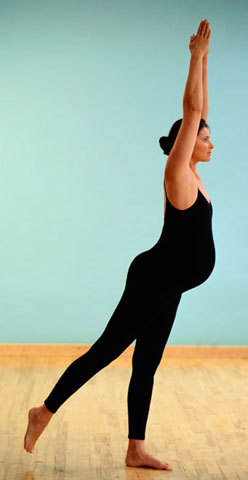
Get moving! Pregnancy takes a lot out of you. Especially during the first trimester, it can be tempting to come home after a long day and head straight for the couch. Although rest is important, so is maintaining a healthy level of activity. Plan a regular exercise routine—most doctors recommend at least 30 minutes a day, 4-7 days a week—and stick to it. Some examples of safe workouts include brisk walking, water aerobics, elliptical training, and stationary cycling. In addition to burning calories, moderate cardio workouts help to decrease bloating, promote digestive health, reduce aches and pains, and improve your overall sense of well-being. Be sure to check with your doctor or midwife to make sure there are no mitigating factors that may prevent you from participating in a regular fitness regimen.

Do what you did before. While pregnancy isn’t the time to embark on a radical new activity, you don’t necessarily have to curtail the ones you enjoyed prior to conception. For instance, if you were a regular runner before getting pregnant, you should be able to continue a moderate running schedule, at least during the first and second trimesters. As always, listen to your body: any pain should be construed as a sign to slow down or take a break.

Avoid high-impact activities. The previous rule does have some exceptions. There are certain high-risk activities and contact sports, such as horseback riding, skiing, tennis, soccer, and hockey, which should be avoided during your baby’s development. Scuba diving is also a no-no, as the high water pressure can impact the fetus.

Add some strength training. You’ll get more out of your cardio workout if you target core muscle groups with some light weight resistance training. If you haven’t lifted weights before, start light—get a pair of 5 or 10 lb. dumbbells and use them to work your biceps, triceps, shoulders, quads, and calves. Search the Internet for some introductory routines that are safe during pregnancy. Most doctors recommend refraining from any exercises that call for lying on your back during the third trimester, as these can inhibit the flow of blood and oxygen to the fetus.

Warm up and cool down. Especially during pregnancy, starting or stopping an exercise too abruptly can be a shock to your system. To help prevent injury, ease into a workout with a few minutes of light stretching and walking. Cooling down with more of the same afterward will help speed up recovery and prevent muscle tightness.

Drink plenty of fluids. This is an all-day rule, although it especially applies during exercise to prevent the body from overheating. Strive for drinking eight glasses of water or juice per day. Staying hydrated is more important than ever when you’re supporting a growing fetus.

Know the warning signs. When exercising during pregnancy, it’s more important than ever to heed your body’s cues to slow down or stop. Signals that should never be ignored include chest pain, vaginal bleeding or leakage, and faintness or dizziness. While pregnant, you shouldn’t exercise to the point of exhaustion of discomfort. Periodically during your workout, pause and check for fetal movement. If you ever note a marked decrease in movement, contact your doctor or midwife.

Eat right. Your appetite may be bigger than ever, with your growing baby requiring approximately 500 additional calories per day, but that doesn’t mean you should indulge in greasy fast foods, sweets, or three helpings of whatever’s for dinner. Eating unhealthy foods can make you feel sluggish, lethargic, and can cause indigestion and heartburn. Plan a nutritious, well-balanced diet consisting of proteins, carbohydrates, and healthy fats. Be sure your menu includes lean meats, leafy vegetables, and fruits. There are certain foods, such as tuna fish and raw eggs, that should be limited during pregnancy. Check with your doctor for nutritional advice.

Join other mommies-to-be. If you’re having trouble getting motivated to exercise regularly, consider joining a fitness program designed for expectant mothers. Check your local gym or YMCA for pregnancy yoga, spinning, Pilates, and other classes. Working out with other moms-to-be can help reduce any anxiety or insecurity about your changing physique, and it’s a great way to make new friends at your same stage of life.

Look for opportunities to move. At the mall, intentionally park farther than you usually would to allow for a brisk 5-minute walk. Opt for the stairs rather than the elevator. Instead of sending a co-worker an email, walk across the office for a face-to-face chat. Over the course of the day, several of these mini-exercises can add up to significant calorie burning.

Monitor your weight. Although it’s not healthy to become obsessed with the scale, it is a good idea to keep track of the amount you’ve gained over the course of your pregnancy. Your doctor or midwife can help you identify a recommended amount of total weight gain for your body type. Substantially exceeding that amount can result in a more difficult pregnancy and labor, as well as a slower recovery period and a bigger challenge to lose the weight after baby’s arrival.

Following these tips will help you stay healthy and fit during pregnancy, allowing you to revel in your changing body rather than agonize about it.


Related Posts with Thumbnails